

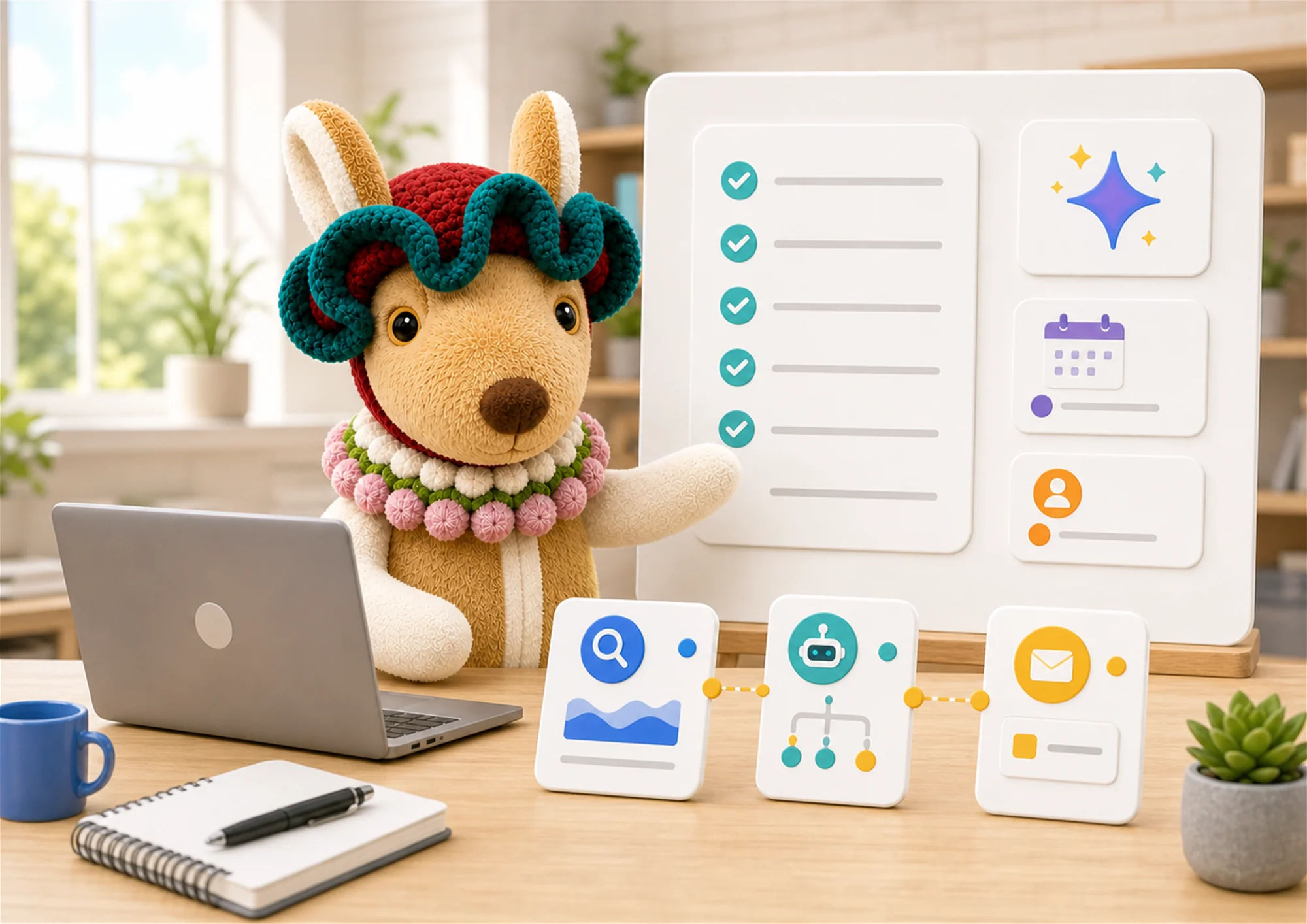
OpenAI has launched a ChatGPT program for small businesses. Here are 7 practical lessons for owners who want to use AI responsibly.
ChatGPT small business program is the latest OpenAI news that matters for owners who want practical help using AI without turning their business into an experiment. On July 21, 2026, OpenAI announced a new program aimed at helping small businesses use ChatGPT through virtual training, in-person AI academies, and guides for real workflows.
The announcement is useful because it focuses on adoption rather than a vague promise that AI will solve every business problem. A small team needs a clear starting point, reliable information, privacy-aware decisions, and a way to measure whether a workflow is actually better.
OpenAI says the ChatGPT small business program will include product-specific webinars, demonstrations, prompts to try, and workflow guidance across areas such as accounting, marketing, ecommerce, and operations. It also announced in-person small business AI academies and new resources that owners can use to start a workflow.
The announcement refers to ChatGPT small business program as a way to help entrepreneurs extend their capacity. It is not a promise that every feature will fit every company. The useful part for a small business is access to training and examples that can shorten the gap between hearing about AI and using it responsibly.
OpenAI also reported results from its earlier Small Business AI Jams, including participants who built a functional workflow in one day and some who reported weekly time savings. Those results are OpenAI-reported program outcomes, not a guarantee for any individual business. Treat them as a reason to test a workflow, not as a forecast.
Many owners are already the salesperson, marketer, operations coordinator, and customer-support person at the same time. A ChatGPT small business program can be relevant because the bottleneck is often repeated preparation work: summarising enquiries, drafting a follow-up for review, organising customer questions, or turning a rough idea into a clearer website brief.
The sensible objective is not to put an AI tool in front of every customer. It is to remove a narrow piece of repetitive work while keeping a person accountable for the final result. This is especially important when messages include pricing, promises, bookings, sensitive information, or a customer who needs a real answer rather than a generic response.
Your website is still the foundation. A useful service page, an accurate FAQ, and a clear enquiry route give people the information they need before any automation starts. Webigaroo explains this in its AI chatbot guide for small business websites and WhatsApp website integration guide.
1. Start with one task. The best first use of a ChatGPT small business program is a bounded task with a clear beginning and end. For example, prepare a weekly list of new enquiries, identify missing information, and draft a short internal summary. Do not begin with a system that can send commitments or make financial decisions.
2. Write the process down first. Before choosing a tool or prompt, describe the inputs, steps, usual exceptions, and the person who approves the work. If the process is unclear to a team member, it will be unclear to an AI tool. Clear notes also make it easier to spot an incorrect output.
3. Use trusted source material. Keep an approved service list, pricing guidance, FAQ, and tone-of-voice reference. An AI workflow is more reliable when it has current material to work from. It is less reliable when it must guess what your business sells, what is included, or what a customer has already been told.
4. Keep human approval where it matters. Let AI prepare, sort, summarise, and suggest. Keep people responsible for final prices, refunds, contracts, sensitive questions, and customer-facing promises. This protects customer trust and gives the business a clear owner when something unusual happens.
5. Limit access. Give a workflow only the information it needs. Review where customer information is stored, who can use the tool, and whether the workflow can take actions rather than only prepare a draft. A useful automation should have clear boundaries, not unlimited access.
6. Measure a business result. A ChatGPT small business program should save time, improve response quality, reduce missed details, or help more qualified enquiries reach the right person. Track a simple before-and-after measure for a few weeks. If the new process creates extra checking work, revise it or stop it.
7. Improve the customer journey too. Repeated missing details in enquiries often reveal a website problem. If customers constantly ask the same question, add a clearer answer to the relevant service page or FAQ. If they arrive without enough context, improve the form or WhatsApp pre-filled message.
A practical starting point for a ChatGPT small business program is an internal enquiry preparation workflow. The tool can turn messages from an approved inbox or form into a short summary, group them by service, flag missing information, and prepare a response draft. A team member reviews the draft, checks the details, and sends the final reply.
That approach is useful because it is reversible. If the output is wrong, the person can correct it before a customer sees it. It also creates a feedback loop: the owner can see which questions repeat, whether the website is unclear, and whether the workflow is reducing response time or merely moving work around.
Use ChatGPT small business program to build capability step by step. Once one task is reliable, add only one new source of information, rule, or permission at a time. Keep a short record of what the workflow is allowed to do. The goal is dependable assistance that supports the business, not an uncontrolled demonstration.
The larger lesson from the announcement is that practical AI adoption is a skills and process problem as much as a technology problem. Small businesses will get more value when they pair a simple workflow with accurate information, a clear website, sensible access controls, and someone responsible for the outcome.
OpenAI describes it as a program with virtual training, in-person AI academies, and new guides to help small businesses apply ChatGPT to everyday workflows.
No. It is a training and adoption program. A clear website, accurate business information, and accountable staff remain essential.
Choose one repeated low-risk task, document the process, keep a human reviewer, and measure whether the workflow genuinely saves time or improves customer response.