

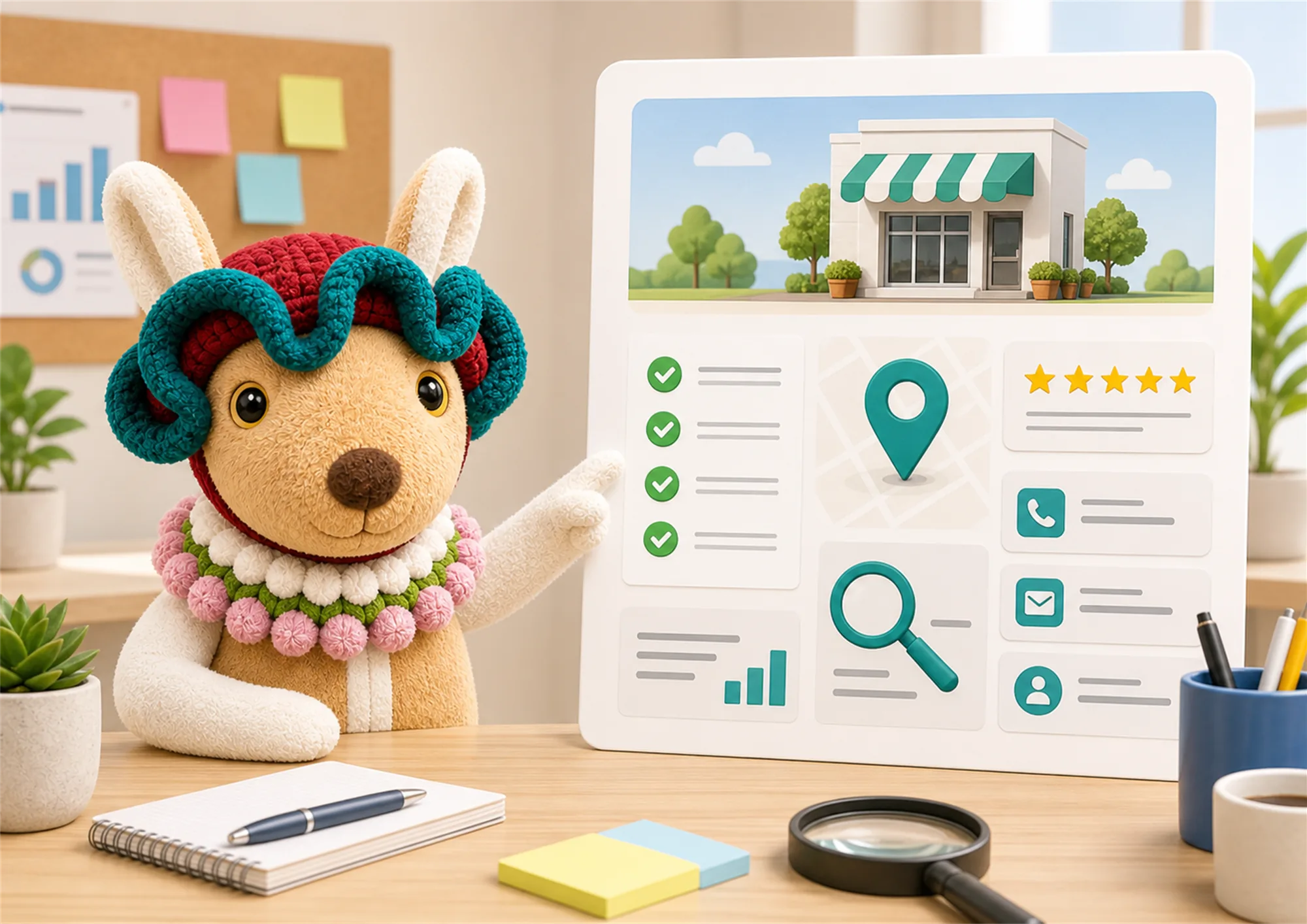
A practical service page SEO for small business guide to help your most important website pages earn qualified visits and enquiries.
Strong service page SEO for small business starts with a simple idea: your most important services deserve their own useful pages. A visitor searching for a specific problem wants to know whether you provide that service, who it is for, what happens next, and why they should trust you. A generic homepage rarely answers all of that well.
The goal is not to create dozens of thin pages that repeat the same words. The goal is to make each important service page genuinely useful to a potential customer and easy for search engines to understand. When the page is clear, local, trustworthy, and easy to contact from, SEO and conversion work together.
A good service page does more than mention a service name. It connects a customer problem to a clear solution. For example, a business owner searching for website redesign, local SEO, or a lead-generation landing page should land on a page that speaks directly to that need, not a page that forces them to search through a long list of unrelated services.
This is why service page SEO for small business is a high-value activity. A focused service page SEO for small business plan gives your strongest offers a clearer place to earn trust. Service pages are often close to the point of enquiry. Improving them can help the right customers understand your offer faster, while also giving search engines stronger context about your business.
Give each page a single primary job. A page about web design should not also try to rank for every marketing service you offer. Lead with the service, who it helps, and the outcome the customer is looking for. That clarity improves both relevance and the visitor experience. It is the first practical step in service page SEO for small business.
Your opening should say what you provide, who it is for, and the next practical action. Avoid broad claims that could apply to any company. A clear headline and supporting paragraph create the foundation for service page SEO for small business because they help both humans and search systems interpret the page.
Customers often hesitate because they cannot picture what happens after they enquire. Explain the first conversation, what information you need, how delivery works, and how long key stages usually take. Process content is practical proof that you have thought through the service. This makes service page SEO for small business more useful for customers who are comparing providers.
Testimonials, project examples, before-and-after context, client industries, outcomes, credentials, and real business details help a visitor trust you. Do not leave proof only for a separate testimonial page. Place the most relevant proof where the customer is deciding whether to contact you. Strong proof is a conversion part of service page SEO for small business, not a separate decoration.
If you serve a defined area, explain it naturally: where you are based, where you work, whether you provide remote service, and what local customers can expect. Do not repeat a list of place names without useful context. Your Google Business Profile and website should tell a consistent story. See the Google Business Profile versus website guide.
Good service page SEO for small business includes questions a buyer would genuinely ask: what is included, what affects cost, who the service suits, how soon you can start, and what results are realistic. Helpful FAQs can reduce uncertainty and give the page depth without padding it with generic marketing language.
Use descriptive headings that guide a visitor through the decision. A person should be able to skim the page and understand the service, benefits, process, proof, FAQs, and contact step. Clear headings also make content easier for search systems to interpret. Well-structured headings therefore strengthen service page SEO for small business for both readers and search systems.
Internal links help customers continue their research. A service page can link to a relevant case example, a pricing or process page, and an article such as the landing page versus website comparison. Link because it helps the next decision, not just to add more links.
Images should support understanding: show the work, the process, the product, the team, or a helpful concept. Give important images descriptive alt text. For featured images, use the exact focus keyword when it remains readable. Avoid generic decorative images that add no useful context. Relevant visuals and descriptive alt text support a complete service page SEO for small business page.
The strongest page still needs a simple next step. Offer a relevant call, form, email, booking, or chat route. Repeat the call to action after important sections, but do not pressure the visitor with pop-ups and interruptions. A good page gives people enough confidence to act.
| Page element | Question to ask |
|---|---|
| Offer | Can a visitor tell exactly what this service is? |
| Audience | Does the page explain who it is for? |
| Proof | Is relevant proof visible before the contact action? |
| Local context | Is the service area useful and accurate? |
| FAQs | Does the page answer real buying questions? |
| Contact | Can a visitor take the next step without friction? |
Google Search guidance on helpful content is a useful standard for this work: create content that is genuinely useful to the audience, not content made only to capture a keyword. If the page helps a customer make a confident decision, it is usually moving in the right direction. See Google helpful content guidance.
Review key service pages every few months. Check whether the offer is still current, whether forms and contact links work, and whether new customer questions should become part of the page. Look at Search Console and analytics for queries, traffic, and conversion paths. These signals help you improve a real page instead of guessing. Use them to refine service page SEO for small business based on real visits and enquiries.
The best service page SEO for small business approach is ongoing: publish a helpful first version, measure how it is used, then improve clarity, proof, and contact flow over time. That is more sustainable than creating many shallow pages and hoping one ranks.
A service page explains one core service in detail so customers and search engines can understand what you provide, who it helps, and how to enquire.
Create one useful page for each genuinely distinct core service. Do not make separate pages only by swapping place names or repeating the same information.
Include pricing guidance when it helps customers understand the investment, or explain the factors that affect price if each project is different.
Yes, when they answer real questions customers ask before contacting you. They should be specific to the service, not generic filler.
Track relevant visits, search queries, contact actions, qualified enquiries, and feedback from sales conversations. Then improve the page from real evidence.
Good service page SEO for small business is not a keyword exercise. It is the work of making an important offer clear, trustworthy, locally relevant, and easy to act on for the people most likely to become customers.